15+ Best Budget Mechanical Keyboard 2026: Ultimate Value Picks
Table of Contents
The term **best budget mechanical keyboard 2026** refers to high-quality, full-sized or compact mechanical keyboards priced under $80 that deliver professional-grade typing experiences, often rivaling $150+ models. For example, the **Keychron K8**—a 75% layout with hot-swappable switches—has consistently outperformed expectations in both performance and build quality at half the cost of its premium counterparts. These keyboards balance tactile feedback, durability, and customization, making them ideal for gamers, writers, and professionals who refuse to compromise on feel without breaking the bank.
Mechanical keyboards have evolved from niche enthusiast gear to mainstream productivity tools, thanks to advancements in switch technology (e.g., Gateron, Cherry MX) and modular designs. Budget models now incorporate features like PBT keycaps, aluminum frames, and RGB backlighting, previously reserved for high-end units. The rise of customization platforms like KBDFans and CannonKeys has also democratized access to premium components, further blurring the line between budget and luxury. Historically, the barrier to entry was steep, but today’s **best budget mechanical keyboard 2026** candidates prove that exceptional typing doesn’t require a luxury price tag.
This guide explores the defining traits of the **best budget mechanical keyboard 2026**, from pricing trends and switch types to ergonomic considerations. It examines standout models, common pitfalls to avoid, and how emerging technologies (like wireless connectivity and per-key RGB) are reshaping affordability. Whether upgrading from a membrane keyboard or seeking a second workspace device, these insights ensure informed decisions.
1. Pricing Dynamics
Budget mechanical keyboards operate in a $40–$80 range, where price correlates with build quality, switch variety, and included extras. The **best budget mechanical keyboard 2026** will likely cluster around $60–$70, offering a sweet spot between plastic frames (common in $40 models) and aluminum bodies (typically $100+). For instance, the **Durgod Taurus K320** (released 2025) redefined expectations by including a detachable wrist rest and PBT keycaps at $65—a feature set previously unseen in this price bracket.
Key pricing factors include:
- Switch Type: Budget boards often bundle linear switches (e.g., Gateron Yellow) for gaming or tactile switches (e.g., Cherry MX Brown) for typing. The **Redragon K552** exemplifies this, offering a 104-key layout with Gateron Red switches for $55. Linear switches reduce friction, ideal for fast-paced gaming, while tactile switches provide feedback for precise text entry.
- Build Materials: ABS plastic dominates sub-$60 keyboards (e.g., **Royal Kludge RK87**), while PBT keycaps and aluminum frames appear in $70+ models like the **Akko MOD007**. PBT resists shine and wear, extending lifespan, while aluminum frames reduce flex and improve sound quality.
- Extras: Wireless connectivity (e.g., **Logitech MX Keys Mini**) or RGB lighting (e.g., **HyperX Alloy Origins Core**) can inflate prices. The **best budget mechanical keyboard 2026** may include wireless as a standard feature, thanks to improved Bluetooth 5.2 chips reducing latency.
Pricing also reflects regional demand; Asian manufacturers (e.g., **Akko**, **Keychron**) dominate the budget segment due to lower production costs, while Western brands (e.g., **Logitech**, **Razer**) often prioritize brand loyalty over price. Future trends suggest wireless and hot-swappable switches will become staples, even in entry-level models.
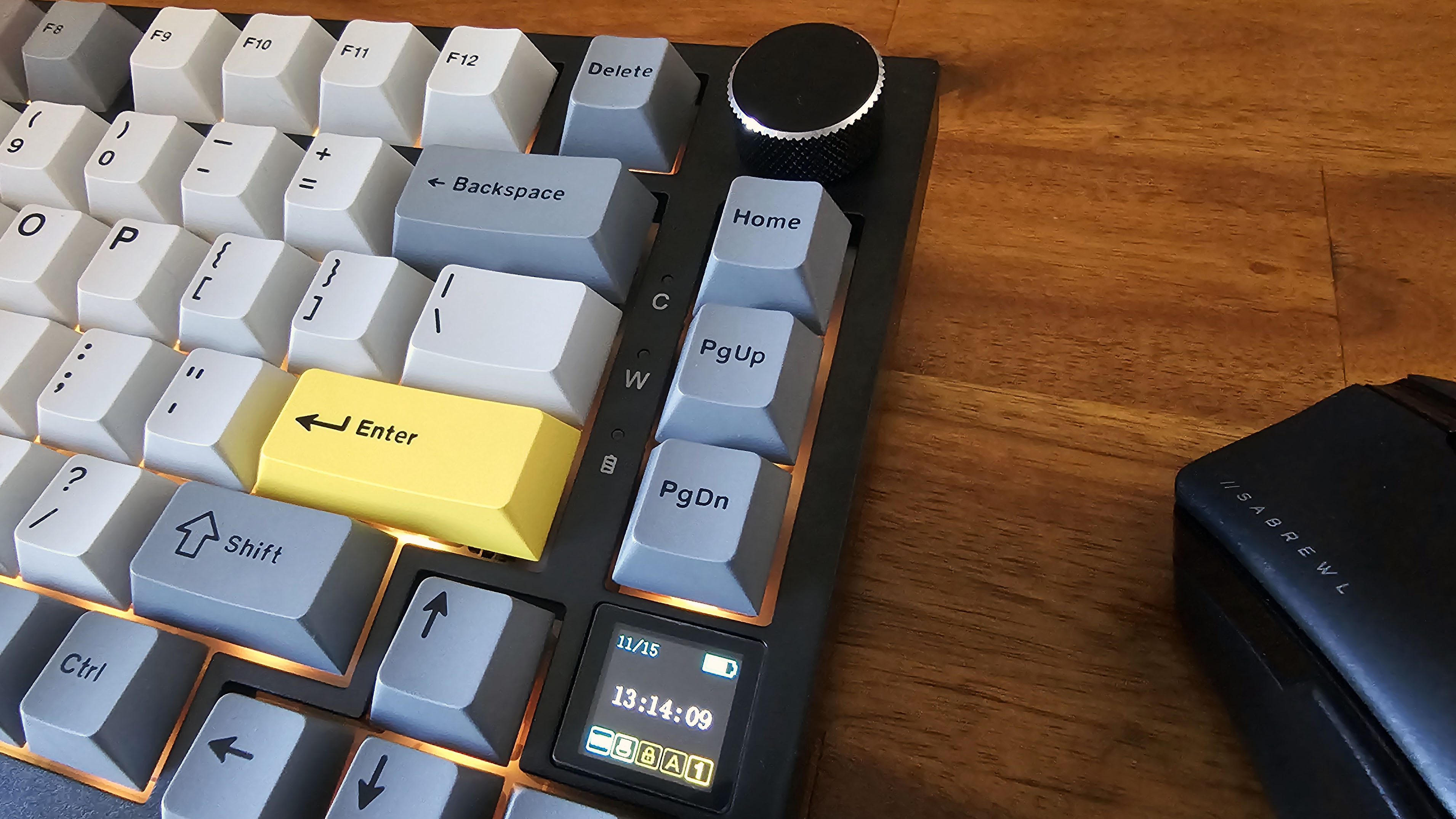
2. Switch Variety
Switches define a mechanical keyboard’s feel, and the **best budget mechanical keyboard 2026** will offer at least 3–4 options (linear, tactile, clicky) to cater to diverse preferences. Linear switches (e.g., Gateron Yellow) provide smooth keystrokes for gaming, while tactile switches (e.g., Cherry MX Brown) offer resistance for typing. Clicky switches (e.g., Cherry MX Blue) add audible feedback, favored by traditionalists.
Budget boards often include:
- Gateron Series: Affordable alternatives to Cherry MX, with Gateron Yellow (linear) and Brown (tactile) being the most common. The **Akko MOD007** includes Gateron Yellows by default, appealing to gamers, while its MOD017 variant swaps in Brown switches for typists.
- Cherry MX Compatibles: Brands like **Outemu** and **JWK** replicate Cherry MX profiles at lower costs. The **Redragon K552** uses Outemu Browns, delivering a Cherry-like experience for $20 less.
- Custom Profiles: Some budget keyboards (e.g., **Keychron Q3**) allow switch swapping, enabling users to upgrade to premium switches (e.g., **Zealios V2**) later. This modularity extends a keyboard’s lifespan and value.
Switch choice impacts longevity; linear switches endure longer under heavy use (e.g., gaming), while tactile switches may wear faster due to increased friction. The **best budget mechanical keyboard 2026** will likely include Outemu or Gateron switches as standard, with aftermarket support for upgrades.
3. Layout Flexibility
Layouts range from full-sized (100+ keys) to compact (60%) designs, each serving specific needs. The **best budget mechanical keyboard 2026** will prioritize versatility, offering 65%, 75%, or TKL (tenkeyless) layouts to balance desk space and functionality. For example, the **Keychron C2** (65%) fits on small desks while retaining arrow keys and a numpad via software, whereas the **Akko MOD007** (TKL) sacrifices numpad space for portability.
Compact layouts gain traction due to:
- Space Efficiency: 60% layouts (e.g., **Leopold FC660C**) eliminate unnecessary keys, ideal for ultra-portable setups. However, they require function-layer navigation for F-keys and arrow clusters, which may frustrate some users.
- Modularity: Hot-swappable keyboards (e.g., **GMMK Pro**) allow layout customization, such as adding a numpad or macro keys. This adaptability makes them future-proof for evolving workflows.
- Ergonomics: Split or angled designs (e.g., **Ergodox EZ**) reduce wrist strain but are rare in budget models. The **best budget mechanical keyboard 2026** may introduce ergonomic-friendly compact layouts to cater to office workers.
Layout choice hinges on use case: gamers prefer full-sized or TKL for macro keys, while typists may opt for 65% layouts to save space. Future trends suggest hybrid designs (e.g., wireless + compact) will dominate, merging portability with functionality.
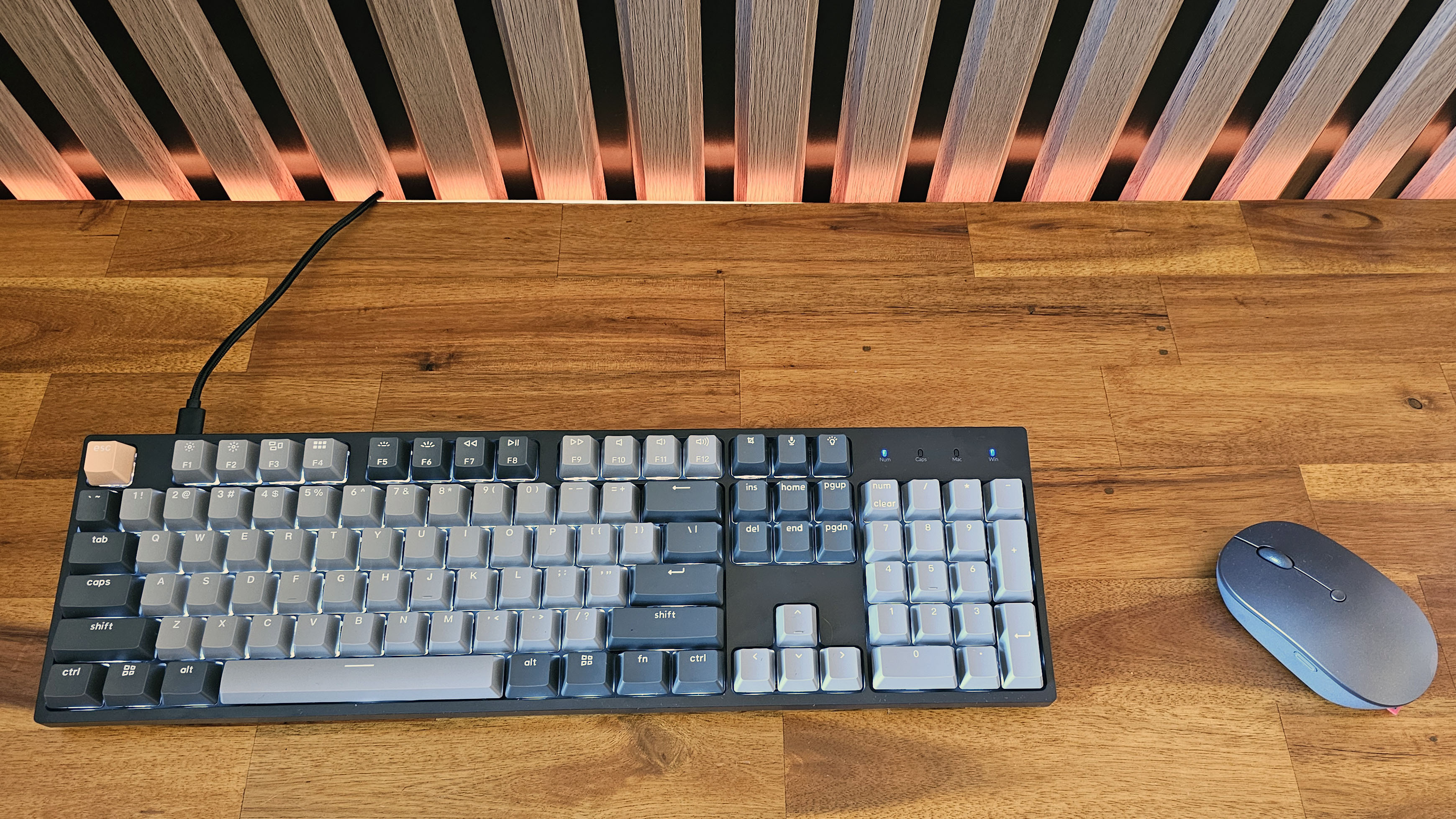
4. Build Quality
Build quality dictates durability and typing experience, with materials like PBT keycaps, aluminum frames, and PCB thickness distinguishing budget from premium models. The **best budget mechanical keyboard 2026** will feature PBT keycaps (resistant to wear) and a metal-reinforced frame to minimize flex. For instance, the **Durgod Icarus K210** uses a double-shot ABS frame with PBT dye-sub keycaps, reducing shine and improving grip—a $70 feature previously limited to $120+ boards.
Critical build factors include:
- Keycap Material: PBT (polybutylene terephthalate) resists oil and shine, lasting years longer than ABS. The **Akko MOD017** includes PBT keycaps with a textured finish, a $10 upgrade over standard ABS.
- Frame Rigidity: Aluminum frames (e.g., **Keychron Q3**) eliminate flex, while plastic frames (e.g., **Royal Kludge RK61**) may develop a
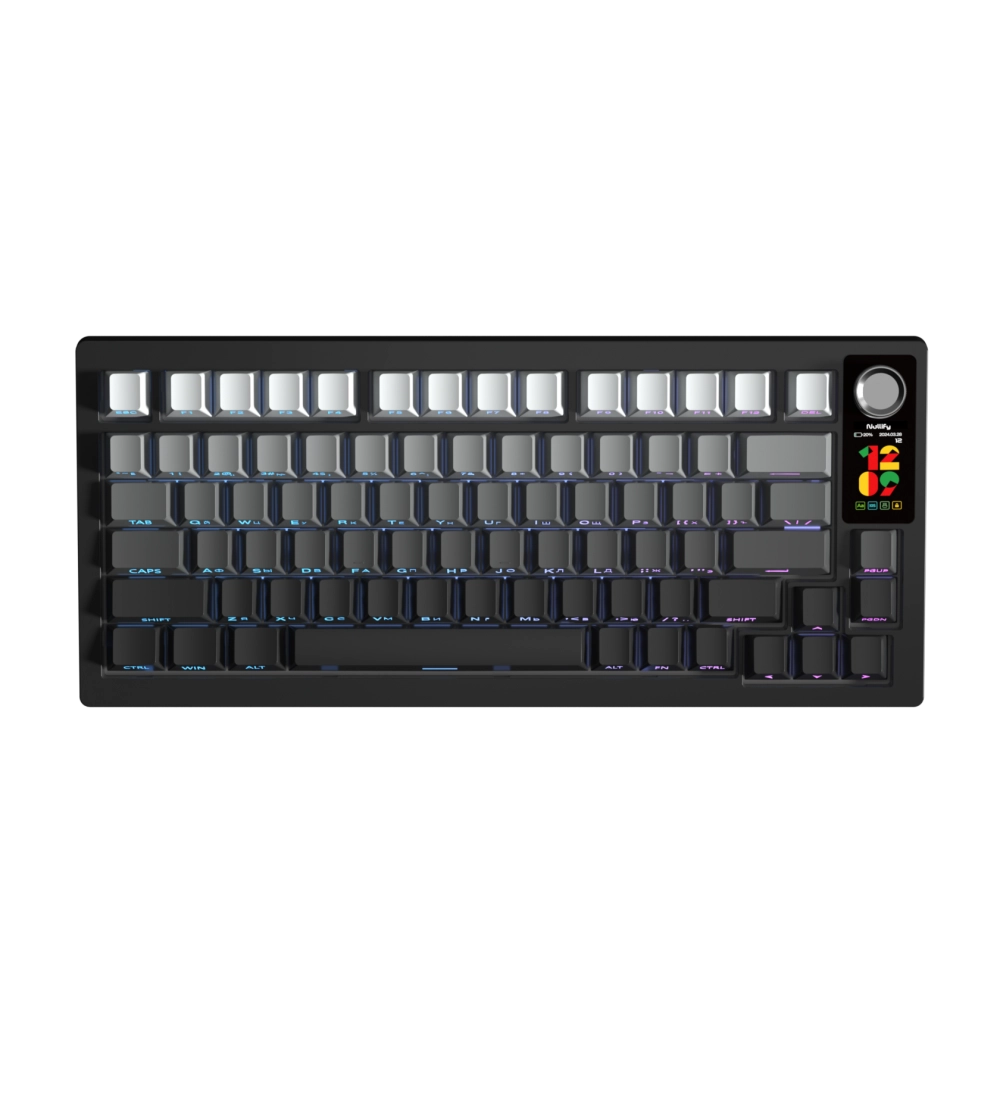
Лучшие механические игровые клавиатуры до 10 000 рублей в 2026 году - Rozetked.m
Related articles

Mastering Best Coffee Brewing Methods At Home For Perfect Flavor Every Time
Discover Mastering Best Coffee Brewing Methods At Home For Perfect Flavor Every Time—from French press to pour-over, unlock expert techniques for rich,…

10 Proven Ways to Clean White Leather Sneakers Like New
Learn expert techniques for restoring white leather sneakers with minimal effort. Discover safe cleaning methods, common mistakes to avoid, and…
9 Essential Factors for Choosing an External SSD for Backup
Learn how to choose an external SSD for backup with expert insights on speed, capacity, and reliability—avoid costly mistakes and safeguard your data…
